Mastering Personal Finance: A Practical Guide to Building Long Term Wealth

Discover the fundamental steps to managing your money effectively. This guide covers budgeting, debt reduction, and smart investing to help you achieve financial independence.
Finance is one of those topics that often feels more complicated than it needs to be. We are constantly bombarded with complex charts, shifting market trends, and jargon that seems designed to keep the average person out of the conversation. But at its core, managing your money is not about being a math genius. It is about understanding a few basic principles and having the discipline to stick with them over time.
The Foundation of Awareness
The first step toward financial freedom is simply knowing where your money is going. It sounds basic, yet most people have a very loose idea of their actual spending habits. When you sit down and look at your bank statements, you often find small, recurring expenses that add up to significant amounts by the end of the year.
Awareness is not about restriction; it is about intentionality. When you track your spending, you are giving yourself the power to decide if that daily coffee or that unused subscription is actually worth more to you than your long term goals.
Building Your Safety Net
Before you think about the stock market or high yield investments, you need a safety net. Life is unpredictable. Cars break down, medical emergencies happen, or jobs can be lost unexpectedly. An emergency fund is your insurance against the chaos of life.
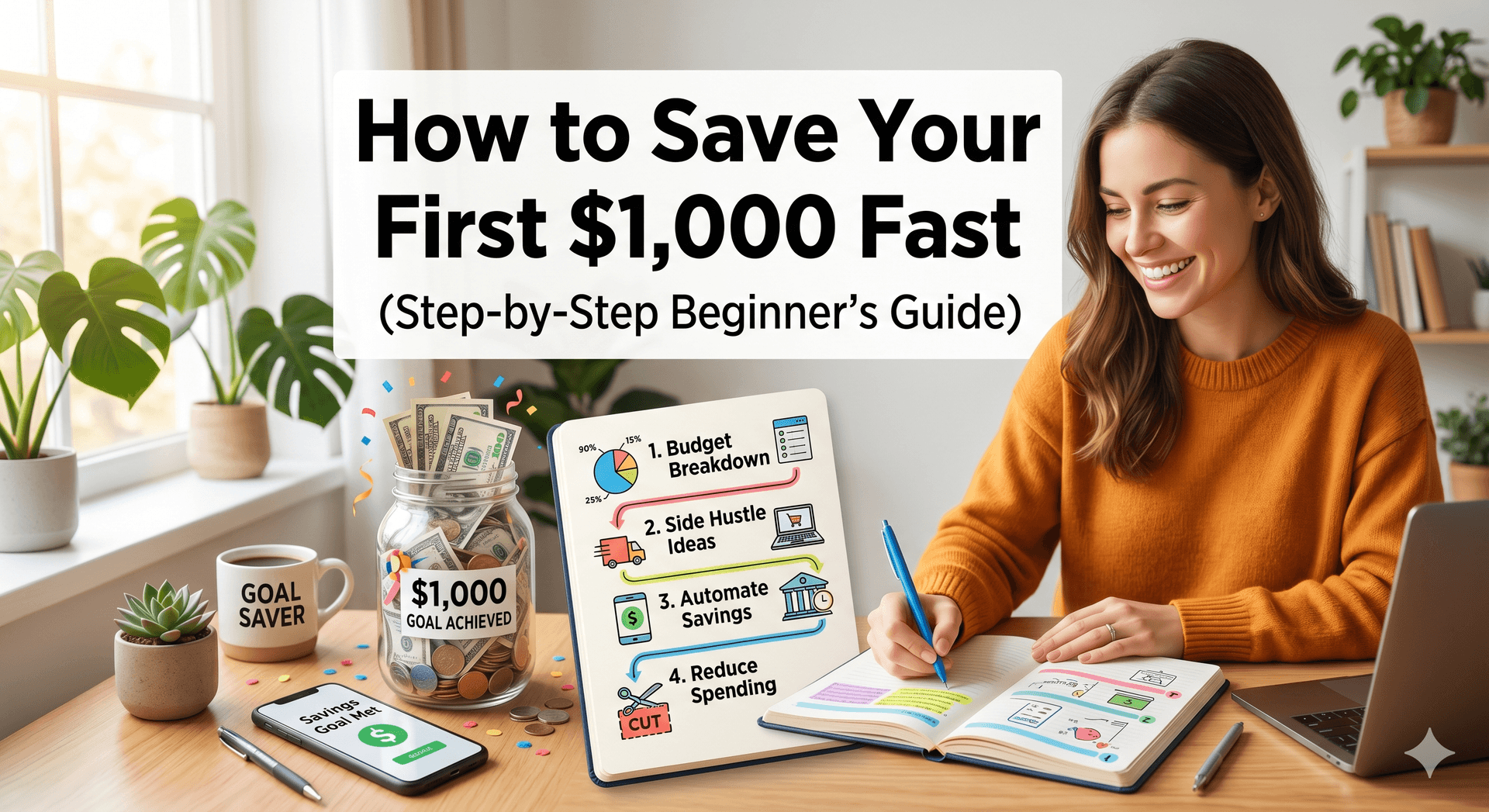
Most experts suggest saving three to six months of living expenses. If that feels overwhelming, start smaller. Even having one thousand dollars set aside can be the difference between a minor inconvenience and a financial crisis that puts you in debt.
Tackling the Weight of Debt
Debt is often the biggest hurdle to building wealth. High interest debt, specifically from credit cards, acts like an anchor. It drags you down and eats away at your ability to save.
If you are carrying a balance, make it your priority to pay it off. Some people prefer the "snowball method," where you pay off the smallest debts first to build momentum. Others prefer the "avalanche method," focusing on the highest interest rates first to save money in the long run. The best method is whichever one you will actually stick to until the balance hits zero.
The Power of Time and Investing
Once your debt is managed and your emergency fund is set, it is time to make your money work for you. This is where investing comes in. You do not need to be a professional trader to see growth. For most people, consistent contributions to low cost index funds are the most effective way to build wealth over decades.
The most important factor in investing is not timing the market, but time in the market. The earlier you start, the more you benefit from compound interest. It is a slow process, but it is the most reliable path to financial independence.
Managing your finances is a marathon, not a sprint. It requires patience and a willingness to make small adjustments today for a much better tomorrow. By focusing on awareness, protection, and consistent growth, you can take control of your financial future.
More in this Category