Global Climate Crisis Deepens in 2026 as Extreme Weather Disrupts Economies, Food Supply, and Energy Systems
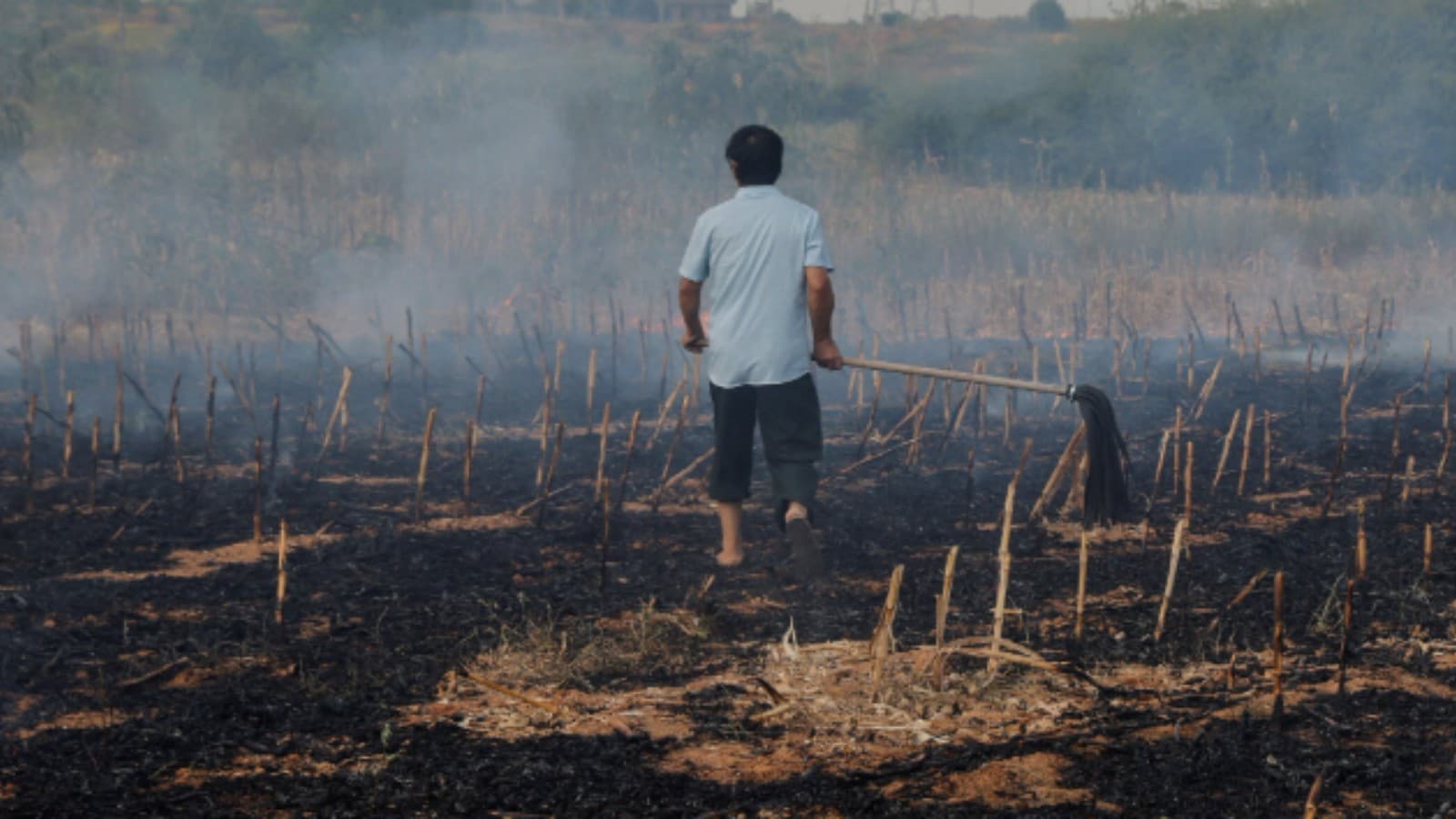
Extreme weather events are intensifying worldwide in 2026, causing economic disruption, food shortages, infrastructure damage, and rising energy costs. Discover how governments and scientists are responding to the growing global climate crisis.
The global climate crisis entered a more dangerous phase in 2026 as extreme weather events intensified across multiple continents, disrupting economies, threatening food security, and placing increasing pressure on governments worldwide. Scientists, environmental organizations, and policymakers are warning that the scale and frequency of climate-related disasters are accelerating faster than many earlier predictions anticipated.
From severe droughts in agricultural regions to powerful storms, deadly heat waves, catastrophic flooding, and wildfires, the first half of 2026 has already become one of the most environmentally turbulent periods in recent history. The growing instability is not only creating humanitarian emergencies but also reshaping global economic and political priorities.
As governments struggle to balance economic growth, energy demands, and climate commitments, experts warn that the world may be approaching a critical turning point in the fight against climate change.
Extreme Weather Is Affecting Nearly Every Region
Throughout 2026, countries across North America, Europe, Asia, and Africa have experienced unusual and often record-breaking weather patterns.
In the United States, multiple states faced severe storms, tornado outbreaks, and historic flooding events that damaged infrastructure and displaced thousands of residents. Heat waves across the Southwest pushed electricity grids to dangerous levels while drought conditions continued to threaten agricultural production in key farming regions.
Meanwhile, parts of Europe endured prolonged periods of extreme heat that disrupted transportation systems, strained water supplies, and increased wildfire risks in Mediterranean countries. Climate researchers say the intensity of these heat events reflects broader warming trends that are becoming increasingly difficult to reverse.
In Asia, monsoon flooding affected millions of people across several countries, destroying crops and disrupting supply chains. Some regions simultaneously faced dangerous heat conditions, highlighting how climate instability can produce multiple overlapping crises at once.
Scientists emphasize that these events are no longer isolated incidents but part of a larger global pattern linked to rising greenhouse gas emissions and warming ocean temperatures.
Food Security Concerns Are Growing Worldwide
One of the most alarming consequences of the climate crisis in 2026 has been the growing threat to global food supplies.
Extreme temperatures, droughts, flooding, and changing rainfall patterns are significantly affecting agricultural productivity in several major food-producing regions. Crop yields for wheat, rice, corn, and soybeans have become increasingly unpredictable, raising concerns about rising food prices and potential shortages.
Agricultural economists warn that prolonged climate disruptions could destabilize international food markets and increase the risk of political unrest in vulnerable regions. Developing nations are expected to face the greatest challenges because of limited infrastructure and fewer financial resources to manage climate-related emergencies.
Farmers across multiple countries have reported difficulties adapting to rapidly changing weather conditions. Some are being forced to alter planting schedules, invest in expensive irrigation systems, or abandon certain crops entirely.
Experts say the agricultural sector may need a complete transformation over the next decade as traditional farming models become less reliable under changing climate conditions.
Energy Systems Are Under Pressure
The climate crisis is also creating major challenges for global energy systems.
Heat waves are increasing electricity demand as millions of households and businesses rely more heavily on air conditioning and cooling technologies. At the same time, drought conditions are reducing hydroelectric power generation in some regions, while storms and wildfires continue damaging energy infrastructure.
Several countries have experienced temporary power shortages during periods of extreme weather, raising concerns about the resilience of aging electrical grids.
Energy analysts warn that climate-related disruptions could become one of the biggest threats to economic stability in the coming years. Governments are now under growing pressure to modernize infrastructure, expand renewable energy systems, and improve emergency preparedness.
At the same time, the transition away from fossil fuels remains politically controversial in many countries. Critics argue that renewable energy systems are not yet fully capable of replacing traditional energy sources at the necessary scale.
This debate has intensified as global energy demand continues to rise alongside climate-related risks.
Insurance and Financial Markets Face Rising Risks
The financial impact of climate change is becoming increasingly visible in insurance markets and global investment strategies.
Insurance companies have reported rising losses from floods, hurricanes, wildfires, and severe storms. In some high-risk areas, insurers are reducing coverage options or dramatically increasing premiums due to the growing frequency of natural disasters.
Financial institutions are also reevaluating investments tied to climate-vulnerable industries and infrastructure. Investors are paying closer attention to environmental risks when assessing long-term economic stability.
Economists warn that climate change could eventually become one of the largest systemic financial risks facing the global economy. Some analysts compare the potential economic consequences to major financial crises or prolonged recessions.
As a result, central banks and international financial organizations are increasingly incorporating climate-related risks into economic planning and policy discussions.
Governments Are Expanding Climate Policies
In response to mounting pressure, governments worldwide are accelerating climate initiatives aimed at reducing carbon emissions and improving environmental resilience.
Several countries have announced new investments in renewable energy, electric transportation, carbon capture technology, and sustainable infrastructure projects. International climate negotiations have also intensified as leaders attempt to strengthen global cooperation on emissions reduction targets.
However, political divisions continue to slow progress in many regions.
Some governments prioritize economic growth and energy affordability over aggressive climate policies, arguing that rapid transitions could harm industries and increase costs for consumers. Others believe stronger action is urgently needed to avoid irreversible environmental damage.
Environmental activists continue organizing large demonstrations demanding faster action from political leaders and corporations. Youth-led climate movements remain especially active, pushing governments to adopt more ambitious environmental policies.
Scientists Warn About Long-Term Consequences
Climate scientists increasingly warn that the world is approaching several dangerous environmental tipping points.
Melting polar ice, rising sea levels, warming oceans, deforestation, and biodiversity loss could produce long-term consequences that extend far beyond temporary weather disruptions. Researchers say some environmental changes may become irreversible if global temperatures continue rising at current rates.
Coastal cities are particularly vulnerable to sea-level rise and intensified storm systems. Experts predict that millions of people worldwide could eventually face displacement due to climate-related disasters and environmental degradation.
Public health concerns are also growing. Rising temperatures are contributing to heat-related illnesses, worsening air quality, and expanding the spread of certain infectious diseases into new regions.
Scientists emphasize that while technological innovation and policy changes can still reduce future risks, the window for preventing the most severe outcomes is becoming increasingly narrow.
The Climate Crisis Is Reshaping Global Priorities
The events of 2026 demonstrate that climate change is no longer viewed solely as a long-term environmental issue. It is now directly influencing economics, geopolitics, healthcare, migration, national security, and global development.
Businesses, governments, and ordinary citizens are increasingly being forced to adapt to a world where extreme weather and environmental instability are becoming more common.
The challenge facing world leaders is no longer whether climate change is real or significant. The central question now is whether governments and societies can respond quickly enough to manage the growing risks before the consequences become even more severe.
As climate disasters continue affecting millions of people worldwide, 2026 may ultimately be remembered as a defining year in humanity’s response to the global climate crisis.
More in this Category
U.S. Housing Market 2026 Shows Uneven Recovery as Mortgage Rates, Inventory Shortages, and Rental Demand Reshape Affordability

Emerging AI Technologies in the United States 2026: Trends, Innovations, and Future Opportunities

Global AI Regulation Intensifies in 2026 as Governments Race to Control Powerful Artificial Intelligence Systems

NBA Playoffs 2026 Update: Detroit Pistons vs Cleveland Cavaliers Game 1 Breakdown and Key Takeaways