U.S. Housing Market 2026 Shows Uneven Recovery as Mortgage Rates, Inventory Shortages, and Rental Demand Reshape Affordability
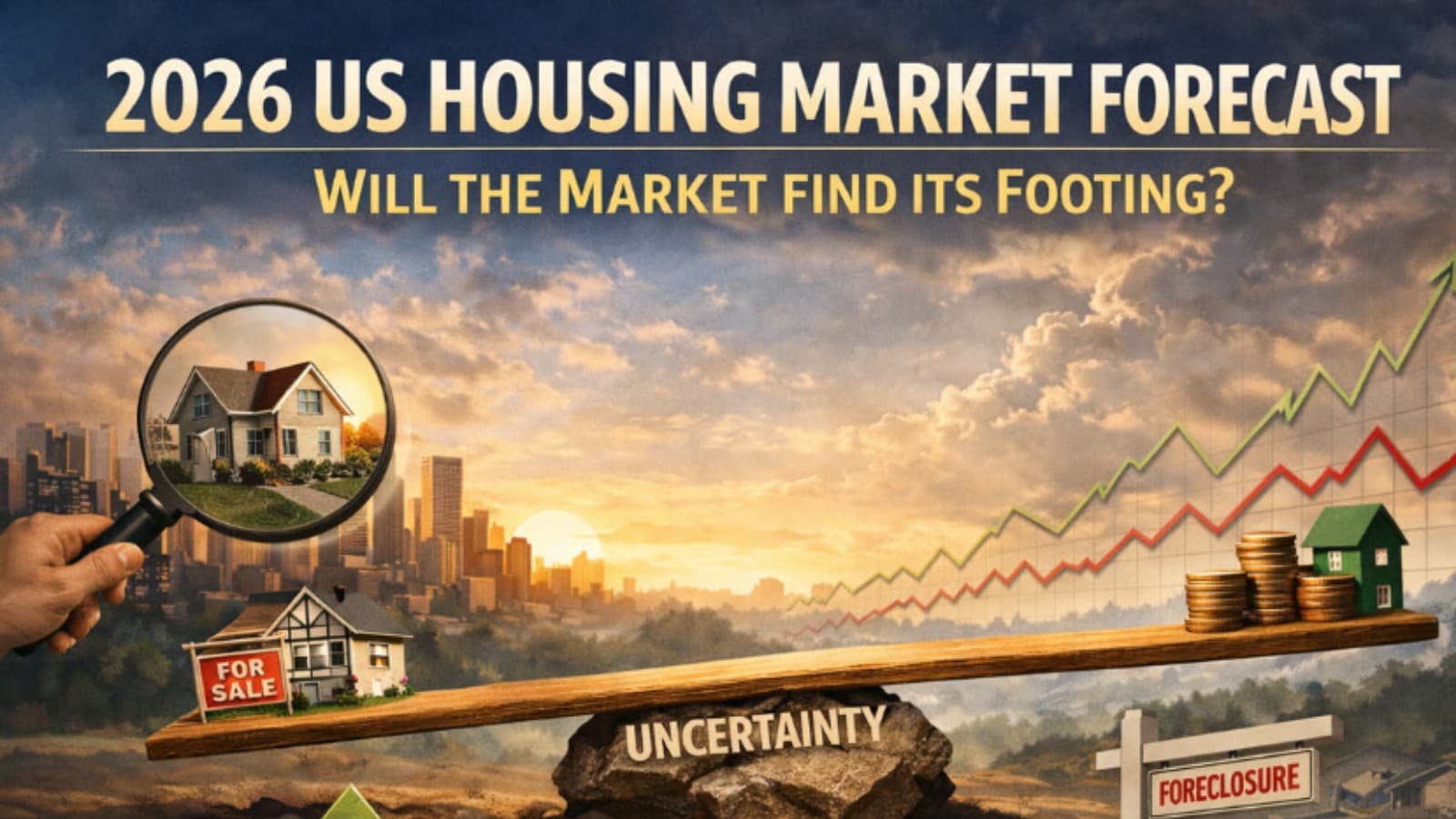
Housing Market Stabilizes but Remains Uneven Across Regions
The United States housing market in 2026 is showing signs of stabilization after several years of volatility, but the recovery remains uneven across regions and income groups. While some cities are experiencing modest price corrections and improved inventory levels, others continue to face tight supply conditions and persistent affordability challenges.
Real estate analysts note that the market is no longer in the rapid price-growth phase seen in earlier years. Instead, it is shifting into a slower, more selective environment where local economic conditions, mortgage rates, and housing supply constraints play a larger role in determining price movement.
In many metropolitan areas, home prices have plateaued, but affordability remains a significant concern for first-time buyers. The combination of elevated mortgage rates and limited housing supply continues to shape purchasing behavior across the country.
Mortgage Rates Continue to Influence Buyer Behavior
Mortgage rates remain one of the most important factors affecting the housing market in 2026. Although rates have stabilized compared to previous peaks, they are still high enough to discourage many potential buyers from entering the market.
As a result, many homeowners who locked in lower rates in earlier years are choosing not to sell, contributing to what economists describe as a “rate lock-in effect.” This phenomenon has significantly reduced housing turnover, limiting the number of available homes for sale.
With fewer properties on the market, buyers are often competing for limited inventory, particularly in suburban areas surrounding major cities. This competition is keeping prices elevated in certain regions even as national price growth slows.
Lenders have also tightened underwriting standards in response to economic uncertainty, making it more difficult for some households to qualify for mortgages. This has further constrained demand, especially among younger buyers and middle-income families.
Inventory Shortages Continue in High-Demand Cities
One of the most persistent challenges in the U.S. housing market is the shortage of available homes, particularly in high-growth urban and suburban regions. Despite increased construction activity in some areas, supply has not kept pace with long-term demand.
Developers face ongoing challenges including rising construction costs, labor shortages, zoning restrictions, and delays in permitting processes. These factors have slowed the delivery of new housing units, especially in affordable housing segments.
Cities such as those in the Sun Belt continue to attract population inflows due to job opportunities and relatively lower living costs, but even these regions are now experiencing tightening inventory conditions.
In contrast, some previously overheated markets are seeing a gradual increase in listings, giving buyers slightly more negotiating power. However, the improvement remains uneven and heavily dependent on local economic conditions.
Rental Market Strengthens as Homeownership Becomes Less Accessible
As homeownership becomes more financially challenging for many Americans, the rental market is experiencing renewed strength in 2026. Demand for rental housing has increased in both urban and suburban areas, driven by affordability constraints and demographic shifts.
Rents in many cities remain elevated, although growth has begun to moderate compared to previous years. Landlords are increasingly offering incentives such as flexible lease terms and limited concessions in competitive markets to attract tenants.
At the same time, institutional investors continue to play a significant role in the rental housing sector, expanding large-scale rental communities and build-to-rent developments. These projects are designed to meet growing demand from households that are delaying home purchases.
Economists note that rising rental demand is closely tied to broader financial pressures, including student debt, wage stagnation in certain sectors, and higher living costs. As a result, renting is becoming a long-term housing choice for many Americans rather than a temporary step toward homeownership.
Construction Sector Faces Cost Pressures and Slowdowns
The residential construction industry is still dealing with elevated costs for materials, insurance, and labor. Although supply chain disruptions have eased compared to earlier years, construction expenses remain higher than pre-pandemic levels.
Builders are increasingly focused on smaller, more affordable housing units, as demand shifts toward cost-efficient living spaces. However, regulatory hurdles and land availability continue to limit large-scale affordability solutions.
In some regions, new housing developments are being delayed or scaled back due to financing challenges. Higher borrowing costs for developers have made it more difficult to initiate new projects, contributing to ongoing supply shortages.
Despite these challenges, industry experts expect gradual improvement as market conditions stabilize and demand for housing remains structurally strong due to population growth and household formation trends.
Regional Divergence Shapes Market Performance
The U.S. housing market in 2026 is increasingly defined by regional divergence. While some areas are experiencing cooling prices and improved buyer leverage, others continue to see strong demand and limited supply.
Economic hubs with strong job markets, particularly in technology, healthcare, and finance sectors, continue to support housing demand despite affordability pressures. Meanwhile, regions with slower economic growth are seeing more balanced conditions, with increased listings and softer pricing trends.
Suburban and secondary cities are also gaining attention as remote and hybrid work models remain common. Many households are prioritizing space and affordability over proximity to major urban centers, reshaping long-term housing demand patterns.
Long-Term Outlook Remains Cautiously Stable
Despite ongoing challenges, economists generally describe the U.S. housing market in 2026 as stable but structurally constrained. Demand for housing continues to be supported by demographic growth, immigration trends, and long-term household formation needs.
However, affordability remains the central issue shaping market dynamics. Without significant increases in housing supply or meaningful shifts in mortgage rates, many analysts expect the market to remain tight in the near term.
Policymakers and industry leaders continue to explore solutions such as zoning reform, increased housing density, and incentives for affordable housing development. These measures are seen as essential for addressing long-term supply shortages and improving access to homeownership.
For now, the housing market reflects a transitional phase, balancing between high demand and limited supply, while adapting to a higher interest rate environment that continues to redefine how Americans buy, sell, and rent homes.
More in this Category
Emerging AI Technologies in the United States 2026: Trends, Innovations, and Future Opportunities

Global Climate Crisis Deepens in 2026 as Extreme Weather Disrupts Economies, Food Supply, and Energy Systems

Global AI Regulation Intensifies in 2026 as Governments Race to Control Powerful Artificial Intelligence Systems

NBA Playoffs 2026 Update: Detroit Pistons vs Cleveland Cavaliers Game 1 Breakdown and Key Takeaways