
U.S. Trade Deficit Widens in 2026 as Corporations Report Mixed Q1 Earnings: Economic Outlook and Market Impact
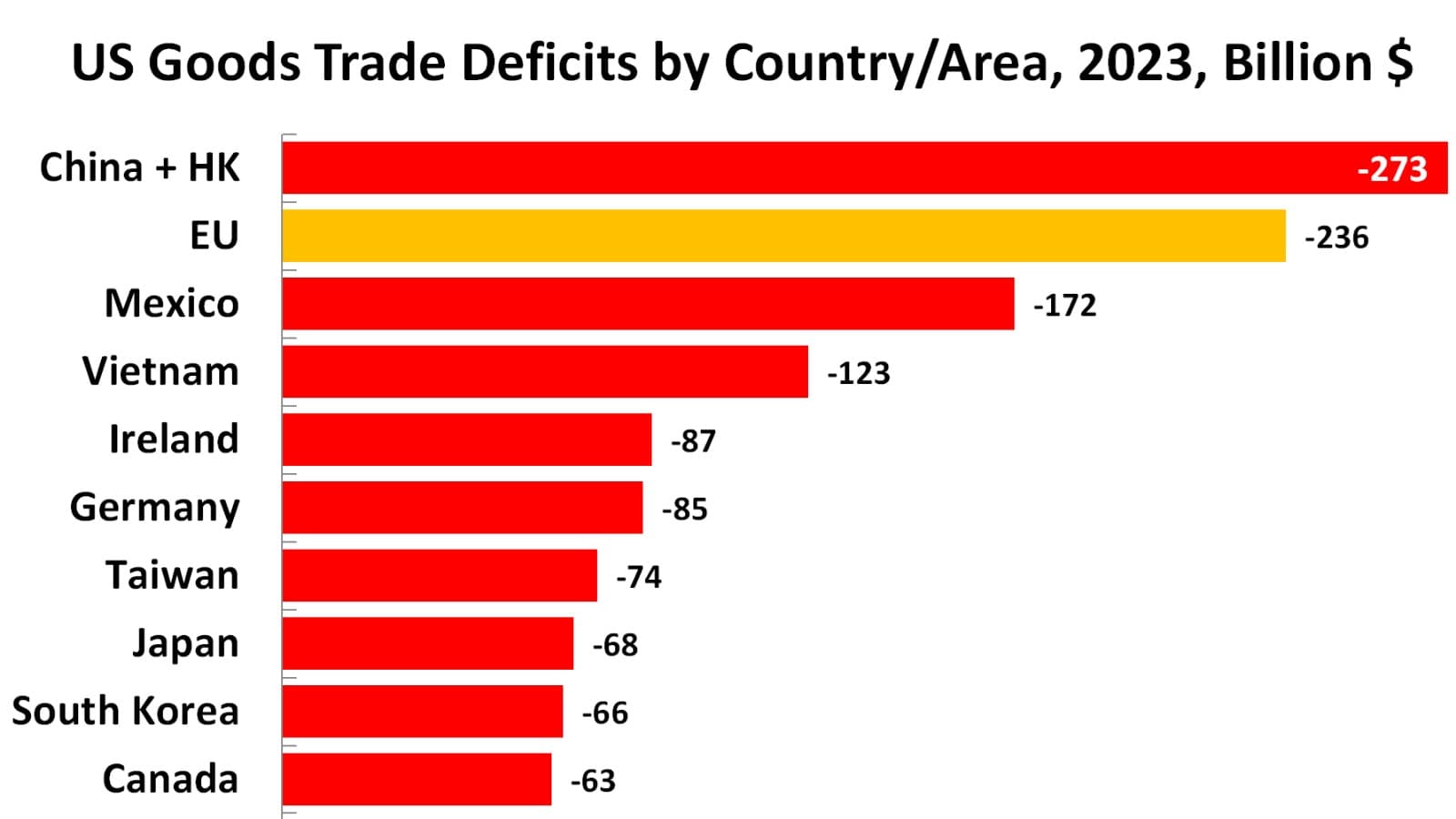
The U.S. economy is sending mixed signals in early 2026, as the trade deficit continues to widen while corporate earnings reports reveal an uneven start to the year. This combination of macroeconomic pressure and inconsistent business performance is shaping investor sentiment, influencing monetary policy expectations, and raising questions about the strength of the economic recovery.
Rising U.S. Trade Deficit Signals Global Imbalance
Recent economic data shows that the U.S. trade deficit has expanded significantly in the first quarter of 2026. The increase is largely driven by stronger import demand, fueled by resilient consumer spending and a relatively strong dollar. Meanwhile, export growth has lagged due to slowing global demand and persistent geopolitical uncertainties.
A widening trade deficit typically indicates that a country is importing more goods and services than it exports. While this can reflect strong domestic consumption, it also highlights structural imbalances that may weigh on GDP growth. Economists are closely monitoring whether this trend will persist throughout the year or stabilize as global conditions improve.
Mixed Q1 Corporate Earnings Reflect Sector Divergence
At the same time, corporate America is reporting mixed earnings results for Q1 2026. While some sectors—particularly technology and consumer discretionary—have exceeded expectations, others such as manufacturing, energy, and retail have struggled to maintain profitability.
Key themes emerging from earnings reports include:
- Margin pressure: Rising input costs and wage inflation continue to squeeze profit margins.
- Supply chain adjustments: Companies are still adapting to post-pandemic supply chain shifts and reshoring strategies.
- Consumer resilience vs. caution: While spending remains strong in certain areas, there are signs of tightening budgets in lower-income segments.
This divergence highlights an uneven economic landscape where growth opportunities coexist with ongoing risks.
Market Reaction and Investor Sentiment
Financial markets have responded cautiously to the dual narrative of a widening trade deficit and mixed earnings performance. Equity markets have shown increased volatility, with investors rotating between growth and value stocks based on sector-specific outlooks.
Bond markets, meanwhile, are reflecting uncertainty around future interest rate decisions. A larger trade deficit combined with uneven corporate performance could influence the central bank’s approach to inflation and economic stabilization.
Implications for the U.S. Economic Outlook
The combination of a growing trade deficit and mixed corporate results suggests that the U.S. economy is in a transitional phase. Key implications include:
- Potential pressure on GDP growth if the trade imbalance continues to widen
- Uncertain monetary policy direction as policymakers weigh inflation against slowing global demand
- Sector-specific investment strategies becoming more important in a fragmented earnings environment
What to Watch in the Coming Months
Looking ahead, analysts are focusing on several critical indicators:
- Changes in import and export trends amid shifting global demand
- Consumer spending patterns as inflation and interest rates evolve
- Corporate guidance for the remainder of 2026
- Central bank signals regarding future rate adjustments
Conclusion
The widening U.S. trade deficit and mixed Q1 corporate earnings paint a complex picture of the current economic landscape. While strong consumer demand and pockets of corporate growth offer optimism, underlying imbalances and sector disparities present ongoing challenges. For investors and policymakers alike, the months ahead will be crucial in determining whether the economy can maintain momentum or faces a period of adjustment.
More in this Category
U.S. Energy Prices Stabilize in 2026 as Oil Output Rises and Renewable Expansion Accelerates

U.S. Job Market Remains Strong in 2026 as Hiring Shifts Toward AI, Healthcare, and Skilled Trades
U.S. Housing Market Shows Early Signs of Stabilization as Mortgage Rates Ease and Buyer Demand Returns in 2026
Indiana Pacers’ Fast-Paced Offense Shocks Eastern Conference as 2026 NBA Playoffs Heat Up