How to Save Money on Groceries Without Coupons (Beginner Guide)
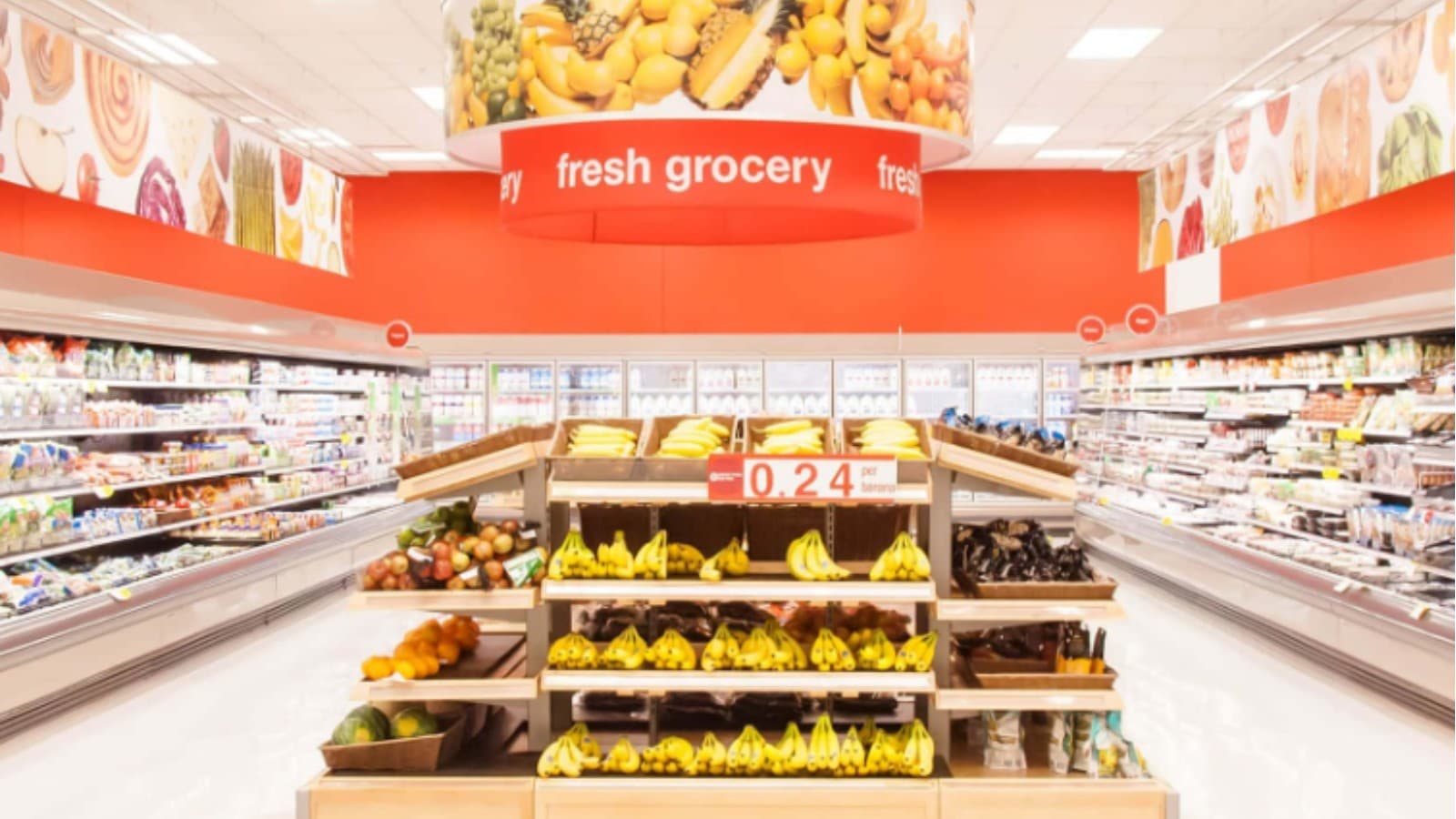
Coupons have a reputation for being the go-to strategy for cutting your grocery bill. And sure, if you enjoy spending three hours a week clipping, organizing, and matching deals, they can help. But for most people, the time cost alone makes couponing impractical, and a lot of coupons push you toward buying brand-name processed food you were not planning to buy in the first place.
The good news is that coupons are not the only way to spend less at the grocery store. They are not even the most effective way. There are simpler habits that save more money with far less effort, and once they become second nature, you barely have to think about them.
This guide is for people who are not budgeting experts, do not want to turn grocery shopping into a part-time job, and just want to stop walking out of the store wondering where all their money went.
Know What You Spend Before You Try to Spend Less
Most people have no idea how much they actually spend on groceries. They have a rough number in their head, but when they look at their actual bank statements, it is almost always higher than they thought. Sometimes significantly higher.
Before you can meaningfully reduce your grocery spending, you need an honest baseline. Pull up your last three months of grocery transactions and add them up. Divide by three. That is your real average monthly grocery spend, not the number you guessed.
This matters because it gives you a target. If you are spending four hundred dollars a month and you want to get to two hundred and fifty, that is a specific gap to close. Without the baseline you are just vaguely trying to spend less, which almost never works because there is no feedback loop telling you whether you are making progress.
It also tends to be motivating in a slightly uncomfortable way. Most people see that number and immediately start thinking differently about what goes in their cart.
Shop with a List and Eat Before You Go
These two things sound like advice your grandmother gave you because they are. They also genuinely work, and most people do neither consistently.
A written grocery list does two things. It stops you from buying things you do not need because you see them on the shelf and feel a vague sense that you might use them someday. And it stops you from forgetting things you do need, which leads to extra trips that almost always include unplanned purchases.
Your list should be built from a rough meal plan for the week. You do not need to be rigid about this. Even a loose idea of what you are going to cook on five out of seven nights gives you enough structure to shop with purpose. Without it, you are walking around the store making decisions in real time, which is exactly when grocery stores want you to be making decisions. The entire layout, the placement of products, the lighting, the samples, all of it is designed to get you to buy more than you intended.
Shopping hungry makes every one of those tactics more effective. When you are hungry, everything looks appealing. Your brain starts making short-term decisions rather than sensible ones. You grab things you do not need because your body is telling you it wants food right now. Eat something before you go. It sounds small and it makes a real difference.
Switch to Store Brands for Almost Everything
This is the single highest-impact, lowest-effort change most grocery shoppers can make, and the resistance to it is almost entirely psychological.
Store brand products, sometimes called generic or own-label, are in the vast majority of cases produced in the same facilities as the name brands sitting next to them on the shelf. The cheese, the pasta, the canned tomatoes, the oats, the olive oil. Often the same product, different label, meaningfully lower price. The markup on brand-name products is paying for advertising and packaging, not better ingredients or better quality.
There are exceptions. Some people genuinely prefer the taste of specific branded products, and that preference is worth respecting when it matters enough to you. But most people who claim to have strong preferences have never done a side-by-side comparison. They just reach for what they recognize.
Try this: on your next shop, replace five branded items with their store brand equivalents. Use them for a week. See if you notice a difference in any of them. Most people find that one or two matter to them and the rest taste identical. Keep the brands that genuinely make a difference to you and switch everything else. The savings on a full cart are substantial.
Understand How Grocery Stores Are Laid Out Against You
Grocery stores are engineered environments. Every decision about where things are placed is made deliberately to maximize how much you spend. Understanding this does not make you cynical. It makes you a smarter shopper.
The Perimeter Rule
The outer edges of most grocery stores contain the basics: produce, meat, dairy, eggs, bread. These are the things most people actually need. The inner aisles are where most of the processed, packaged, and impulse-purchase items live. If you stick primarily to the perimeter of the store and only go into the aisles for specific things on your list, your cart tends to look very different at checkout than it does when you wander every aisle.
Eye Level Is Not Your Friend
The products placed at eye level are almost always the most expensive ones in that category. They pay for that shelf position. The same or comparable product is typically a few shelves up or down at a lower price. Get in the habit of looking at the full range of a shelf rather than just what is directly in front of your face.
Bulk Bins and Unit Pricing
Most grocery stores are required to display the price per unit or per 100 grams alongside the shelf price. This is the number that actually tells you whether something is a good deal. A larger package is not always cheaper per unit. A sale price is not always lower than the store brand regular price. Check the unit price before you assume a deal is a deal.
Buy Whole Ingredients Instead of Prepared Ones
Convenience is expensive at the grocery store. Every step of preparation that someone else has done for you before the product hits the shelf gets added to the price you pay.
Pre-cut vegetables cost significantly more per serving than the same vegetables bought whole. Pre-marinated meats cost more than plain cuts you season yourself. Bagged salad kits cost more than a head of lettuce and a few other vegetables. Shredded cheese costs more than a block you grate at home. Individually portioned snack packs cost more per unit than the same product bought in a larger container.
You do not have to prepare everything from scratch for every meal. But if you audit what is in your cart and ask yourself which items you are paying a premium for because someone else did a small amount of work to them, you will find savings relatively quickly. The convenience items that save you meaningful time are worth keeping. The ones that just feel easier but take barely any longer to do yourself are worth reconsidering.
Plan Around What Is on Sale and What Is in Season
This is the reverse of how most people shop. Most people decide what they want to eat, then buy those ingredients regardless of price. The more economical approach is to let price and availability partly inform what you decide to cook.
This does not mean surrendering control over your meals to whatever happens to be cheap that week. It means building enough flexibility into your meal planning that you can take advantage of what the store is already discounting.
Seasonal Produce Costs Less and Tastes Better
Fruits and vegetables that are in season locally are cheaper because supply is high and transport costs are low. They also tend to taste better because they have not been sitting in cold storage for months. Learning the rough seasonal calendar for your region takes about ten minutes of research and saves you money every week you apply it. Buying strawberries in December is expensive and disappointing. Buying them in summer is cheap and genuinely enjoyable.
Check the Weekly Circular Before You Plan
Most grocery stores publish a weekly sale circular online or in the store. Spending five minutes looking at it before you plan your meals for the week lets you build your meals partly around what is already discounted. If chicken thighs are on sale, plan two meals that use chicken thighs. If a vegetable you like is marked down, make it the base of something that week. Over a month, this habit alone can noticeably reduce what you spend without requiring you to cook anything you do not enjoy.
Reduce Waste and You Automatically Spend Less
A significant portion of what most households spend on groceries ends up in the bin. Produce that goes off before it gets used. Leftovers that get forgotten at the back of the fridge. Bread that goes stale. Products that expire before anyone opens them.
Food waste is one of the most direct ways that people overspend on groceries without realizing it. When you throw food away, you are throwing away the money you spent on it. If you are wasting even ten to fifteen percent of what you buy, bringing that number down to near zero is the equivalent of a meaningful discount on every shop.
First In, First Out
When you bring new groceries home, move the older items in your fridge and pantry to the front and put the new ones behind them. This is the same system every professional kitchen uses, and it works because it ensures you use things before they expire rather than discovering them three weeks later behind the newer purchases.
The End-of-Week Fridge Meal
Make a habit of cooking one meal each week specifically designed to use up whatever is left in your fridge before the next shop. Eggs, vegetables that are slightly past their prime, leftover rice, bits of cheese, odds and ends of whatever you bought earlier in the week can almost always be turned into something edible. Fried rice, frittatas, soups, stir-fries, and grain bowls are all forgiving formats that work with whatever you have on hand. This one habit alone eliminates most of the waste that inflates grocery bills.
Freeze Before It Goes Off
Most people underuse their freezer. Bread, meat, cooked grains, beans, most vegetables, and many dairy products freeze well and stay usable for weeks or months. If you have produce that is approaching the end of its life, chop it and freeze it rather than letting it die in the crisper drawer. If you bought a large pack of meat because it was on sale, portion and freeze what you are not using this week. The freezer is a savings tool that most households treat as an afterthought.
Buy in Bulk Strategically, Not Reflexively
Buying in bulk has a reputation for being the smart, frugal approach to grocery shopping, and it can be. But it only saves money when it is done correctly, and a lot of people do it incorrectly.
Bulk buying only saves money on items you definitely use regularly, that have a long shelf life or can be frozen, and that are genuinely cheaper per unit in the larger size. If any of those conditions are not met, buying in bulk does not save money. It either wastes food, wastes space, or gives you the feeling of savings while actually costing more.
Pantry staples are ideal for bulk buying: dried pasta, rice, lentils, oats, tinned tomatoes, olive oil, flour, sugar, spices. These have long shelf lives, consistent use in most kitchens, and meaningful unit price differences at larger quantities. Fresh produce, most dairy, and anything with an unpredictable use pattern are poor candidates for bulk buying unless you have a clear plan for using or freezing the surplus.
Rethink Meat as the Center of Every Meal
Meat is typically the most expensive item in any grocery cart. It is also the item where reducing quantity has the most immediate and significant impact on your total spend.
This is not about becoming vegetarian unless that appeals to you. It is about adjusting the proportion of meals where meat plays the starring role versus a supporting one.
Plant-based proteins, lentils, chickpeas, beans, eggs, tofu, are a fraction of the cost of meat per gram of protein. A meal built around lentils costs a small amount per serving. The same volume of chicken or beef costs several times more. Building two or three meals per week around plant proteins rather than meat, while keeping meat in the meals where you genuinely enjoy it most, is one of the most effective ways to reduce grocery costs without feeling like you are sacrificing anything meaningful.
Cheaper cuts of meat also deserve more credit than they get. Chicken thighs are significantly less expensive than chicken breasts and are arguably better for most cooking methods because the higher fat content keeps them moist and flavorful. Slow-cooked tougher cuts like chuck, shoulder, and brisket cost less than premium cuts and become genuinely excellent with low, slow heat. Learning to cook a few things with cheaper cuts removes the perceived ceiling on what affordable groceries can produce in the kitchen.
Be Honest About What You Actually Cook
This might be the most uncomfortable item on this list, but it is worth saying directly because it is something a lot of people quietly know about themselves and do not act on.
Most people buy groceries with optimistic intentions. They buy the ingredients for elaborate meals they saw online, fresh herbs they plan to use all week, a variety of produce that reflects the healthy diet they intend to eat. Then real life happens. They come home tired, order takeout, and find the fresh herbs wilted in the fridge four days later.
There is no judgment in that. It happens to almost everyone. But the mismatch between aspirational shopping and realistic cooking is one of the biggest drivers of grocery overspending and food waste simultaneously.
Shop for the version of yourself that actually exists on a Tuesday evening after a full day, not the version that has an hour and a half and feels like cooking something ambitious. If you realistically cook five nights a week and order in twice, plan for five nights. If you tend to default to three or four go-to meals, buy the ingredients for those and leave the elaborate new recipes for the weekend when you have more time and energy.
Matching your shopping to your actual behavior rather than your ideal behavior reduces waste, reduces spending, and removes the low-level guilt that most people feel every time they throw away food that had good intentions attached to it.
More in this Category

Mastering Personal Finance: A Practical Guide to Building Long Term Wealth