Arsenal vs Atlético Madrid May 6, 2026: Match Analysis and Champions League Final Qualification
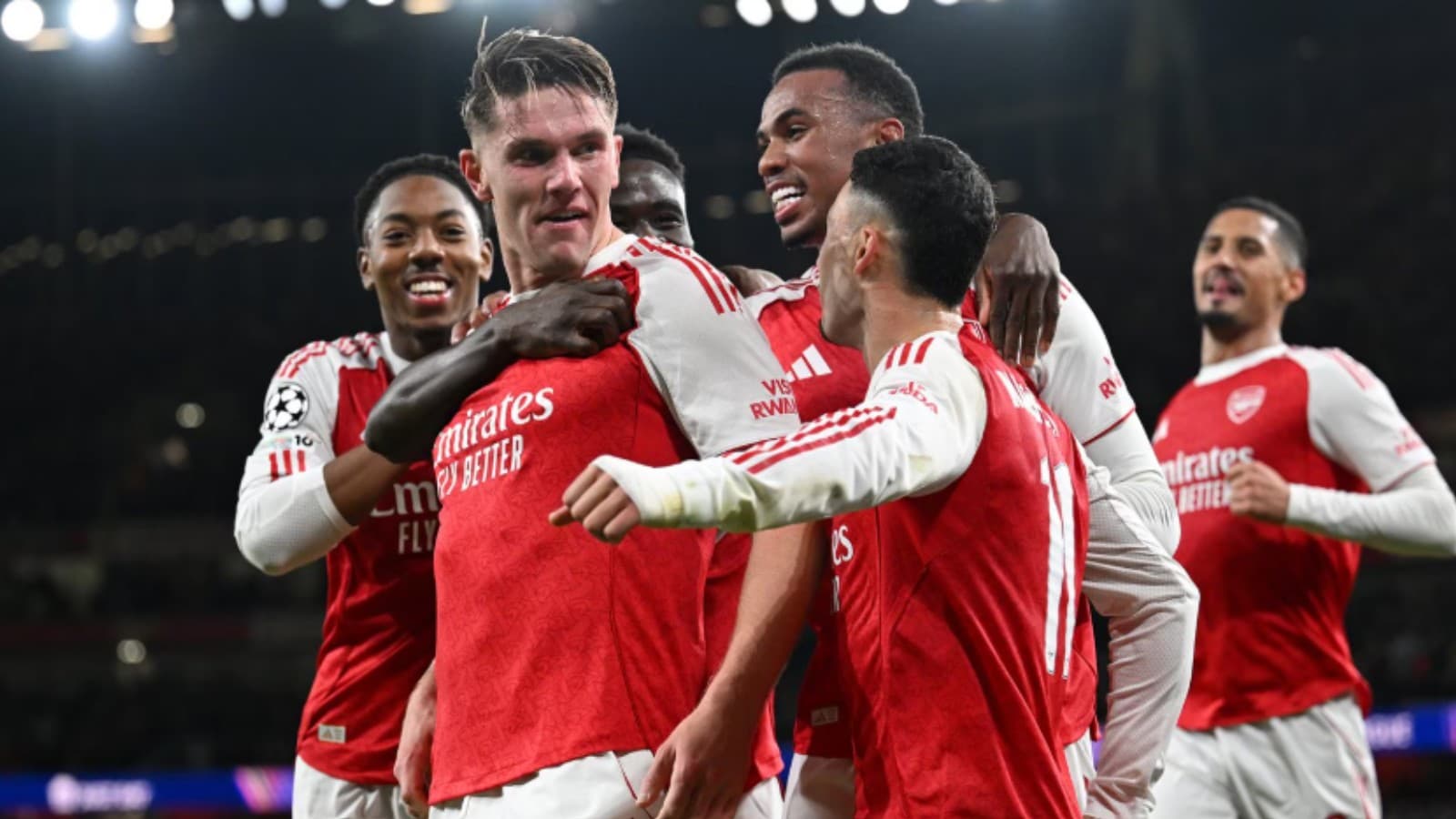
Arsenal vs Atlético Madrid: Tactical Analysis and Champions League Final Qualification
The semifinal clash between Arsenal and Atlético Madrid on May 6, 2026, marked one of the most significant fixtures in recent European football. With a place in the UEFA Champions League final at stake, both teams entered the match with contrasting styles, tactical identities, and historical ambitions.
Arsenal emerged victorious with a 1–0 win in the second leg, securing a 2–1 aggregate result and advancing to the final for the first time in two decades. This article provides a comprehensive analysis of the match, focusing on tactical execution, individual performances, and the broader implications of the result.
Match Overview
The match was played under high pressure, with both teams aware that a single moment could determine the outcome. Arsenal entered the game with a narrow advantage from the first leg, while Atlético Madrid sought to overturn the deficit through their characteristic defensive discipline and counterattacking efficiency.
The decisive goal came in the first half from Bukayo Saka, whose composed finish provided Arsenal with the lead on the night. From that point onward, the match evolved into a tactical contest defined by structure, discipline, and game management.
Tactical Approach of Arsenal
Under the leadership of Mikel Arteta, Arsenal demonstrated a high level of tactical maturity. Rather than pursuing an aggressive attacking approach, the team prioritized balance and control.
Defensive Organization
Arsenal’s defensive structure was central to their success. The team maintained compact lines, minimizing space between midfield and defense. This approach limited Atlético Madrid’s ability to exploit central areas and forced them to rely on less effective wide play.
The backline remained disciplined throughout the match, successfully neutralizing aerial threats and cutting off passing lanes. This defensive cohesion prevented Atlético from building sustained attacking momentum.
Midfield Control
In midfield, Arsenal emphasized positional awareness and ball retention. By maintaining control of possession during key phases, they were able to dictate the tempo of the game.
Short, controlled passes allowed Arsenal to relieve pressure and transition efficiently between defensive and attacking phases. This strategy reduced the risk of turnovers in dangerous areas.
Transition Play
Arsenal’s transitions were calculated rather than rapid. Instead of committing excessive numbers forward, they relied on selective attacking movements, ensuring defensive stability at all times.
This approach proved effective in maintaining their aggregate advantage while still posing a threat on the counterattack.
Atlético Madrid’s Tactical Limitations
Atlético Madrid, known for their resilience and defensive discipline, faced challenges in adapting to the match situation.
Lack of Offensive Penetration
Despite needing a goal, Atlético struggled to break down Arsenal’s defensive structure. Their attacks often lacked creativity and were predictable in execution.
Crosses into the penalty area were frequently dealt with by Arsenal’s defenders, while attempts through central channels were limited by tight marking.
Midfield Constraints
Atlético’s midfield found it difficult to control possession or create meaningful opportunities. Arsenal’s pressing and positional discipline disrupted their rhythm, forcing them into hurried decisions.
Late-Game Pressure
In the final stages of the match, Atlético increased their attacking intensity. However, this pressure did not translate into clear scoring opportunities, highlighting Arsenal’s defensive effectiveness.
Key Player Performance: Bukayo Saka
Bukayo Saka delivered a decisive performance, scoring the only goal of the match. His movement, composure, and ability to exploit defensive gaps were critical to Arsenal’s success.
Beyond the goal, Saka contributed to both attacking and defensive phases, demonstrating versatility and tactical awareness. His performance reflects his development into one of the most influential players in European football.
Strategic Impact of Mikel Arteta
The role of Mikel Arteta in Arsenal’s progression cannot be overstated. His tactical decisions, including team selection and in-game adjustments, were instrumental in securing the result.
Arteta’s emphasis on structure, discipline, and adaptability has transformed Arsenal into a cohesive and competitive unit. This match serves as a clear example of his strategic approach in high-pressure situations.
Historical Significance
Arsenal’s qualification for the Champions League final represents a major milestone in the club’s history. Their previous appearance in the final occurred in 2006, making this achievement particularly significant for both the club and its supporters.
This result also reflects the broader progress of the team under Arteta’s leadership, marking their return to the highest level of European competition.
Implications for the Final
Arsenal will face either Bayern Munich or Paris Saint-Germain in the final. Both opponents present unique tactical challenges.
- Bayern Munich offers a high-intensity pressing system and attacking depth
- Paris Saint-Germain brings individual brilliance and technical skill
Arsenal’s ability to adapt to these challenges will determine their chances of securing the title.
Conclusion
The semifinal between Arsenal and Atlético Madrid demonstrated the importance of tactical discipline, strategic planning, and individual execution in elite football. Arsenal’s 1–0 victory was not only a result of technical ability but also a reflection of their organizational strength and composure under pressure.
As they prepare for the UEFA Champions League final, Arsenal carry both momentum and expectation. Their performance against Atlético Madrid suggests that they possess the qualities required to compete at the highest level.
The upcoming final will ultimately determine whether this campaign becomes a historic triumph, but their journey to this stage has already re-established their position among Europe’s leading clubs.
More in this Category
U.S. Housing Market 2026 Shows Uneven Recovery as Mortgage Rates, Inventory Shortages, and Rental Demand Reshape Affordability

Emerging AI Technologies in the United States 2026: Trends, Innovations, and Future Opportunities

Global Climate Crisis Deepens in 2026 as Extreme Weather Disrupts Economies, Food Supply, and Energy Systems

Global AI Regulation Intensifies in 2026 as Governments Race to Control Powerful Artificial Intelligence Systems