Jannik Sinner Madrid Open 2026 Dominance: Match Performance, Statistics, and Clay Court Analysis
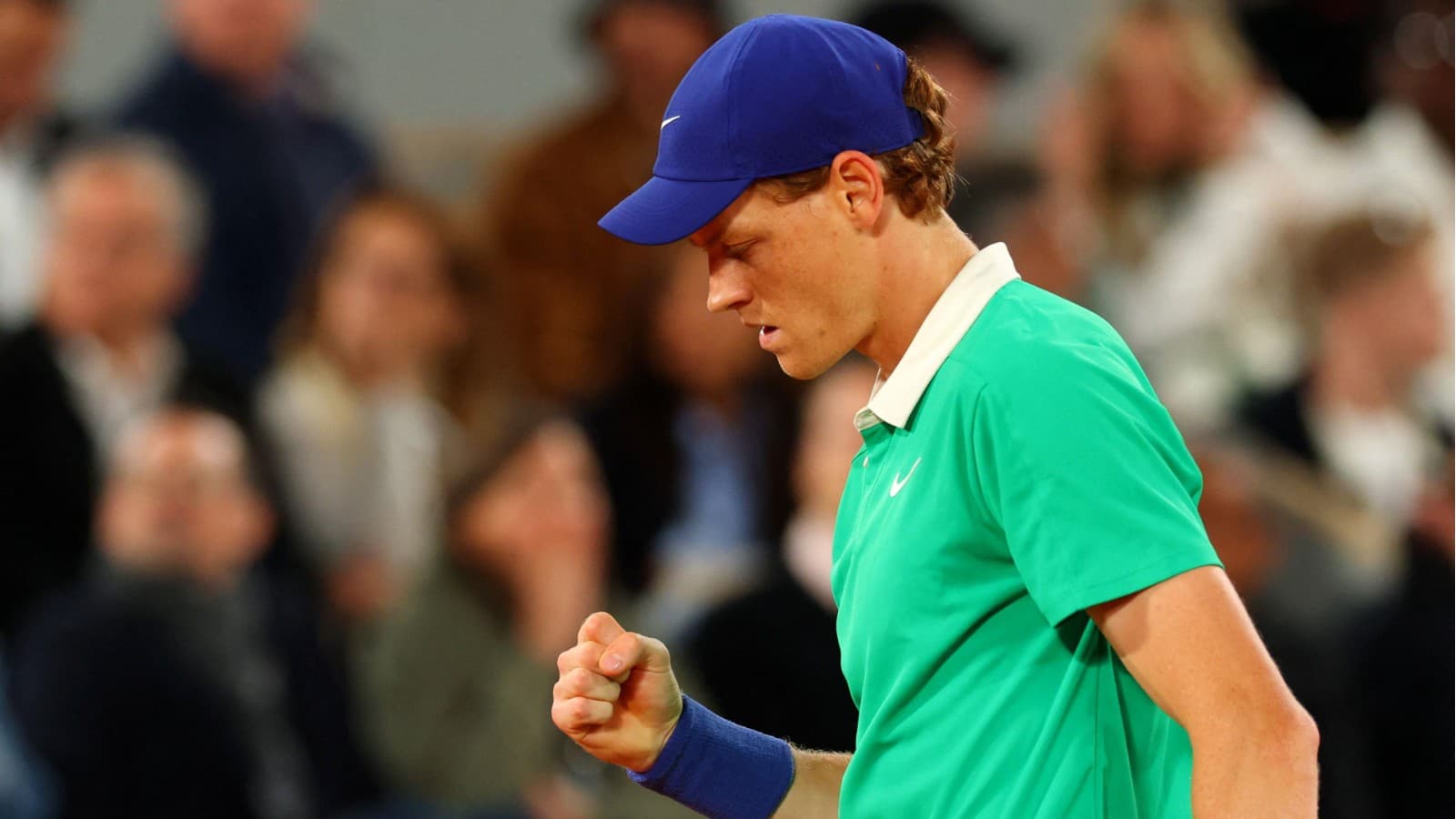
Detailed news coverage of Jannik Sinner’s 2026 Madrid Open performance, including match statistics, tactical breakdown, and analysis of his dominance on clay courts.
Jannik Sinner Madrid Open 2026 Performance Analysis and Tournament Report
Tournament Overview
The 2026 edition of the Madrid Open has been defined by the continued dominance of Jannik Sinner, who remains the top-ranked player on the ATP Tour.
Throughout the tournament, Sinner has delivered consistent performances across multiple rounds, demonstrating control over matches and maintaining a high level of efficiency on clay courts. His progression to the later stages of the competition has been marked by disciplined execution and minimal fluctuations in form.
Match Performance Breakdown
Early Rounds Control
In the opening rounds, Sinner established dominance early in matches by applying pressure from the baseline. His ability to quickly adapt to opponents’ playing styles allowed him to avoid extended sets and maintain physical freshness.
Key elements of his early-round performances included:
- Strong first-serve placement
- Aggressive return positioning
- Early break-point conversions
These factors contributed to straightforward victories and reduced time on court.
Advanced Stage Consistency
As the tournament progressed, Sinner maintained his level of performance against higher-ranked opponents. His shot selection and tactical discipline became more evident in longer rallies.
He consistently controlled the tempo of matches by dictating baseline exchanges and limiting opponents’ offensive opportunities. This control proved decisive in securing wins during the deeper rounds of the tournament.
Technical Analysis of Sinner’s Game
Baseline Dominance
Jannik Sinner has demonstrated exceptional baseline control throughout the Madrid Open. His groundstrokes are characterized by depth, consistency, and directional accuracy.
The forehand continues to be a primary offensive weapon, while the backhand remains one of the most stable and reliable shots in professional tennis. This combination allows him to sustain pressure in extended rallies.
Serve Performance
Sinner’s serve has played a critical role in his success at the tournament. While not solely reliant on power, his serve is highly effective due to placement and variation.
He frequently targets wide angles and body serves, creating weak returns that allow him to take control of points early. His first-serve percentage has remained consistently high throughout the competition.
Clay Court Adaptation
The conditions at the Madrid Open require strong endurance and movement efficiency. Sinner has shown significant improvement on clay, particularly in defensive positioning and sliding technique.
His ability to transition between defensive and offensive positions has been a key factor in his success on this surface.
Tactical Execution
Point Construction Strategy
Sinner’s approach to point construction is based on patience and precision. Rather than attempting immediate winners, he builds points methodically by moving opponents around the court.
This strategy reduces unforced errors and increases the likelihood of creating open-court opportunities.
Match Adaptability
A notable aspect of Sinner’s tournament performance has been his adaptability. He adjusts tactics based on opponent strengths, court conditions, and match momentum.
This flexibility allows him to remain effective against a wide range of playing styles, including aggressive baseline hitters and defensive counterpunchers.
Statistical Performance Overview
Key Performance Indicators
Sinner’s statistical output during the Madrid Open reflects a high level of efficiency:
- Consistently high first-serve percentage
- Strong return-game effectiveness
- Low unforced error count across matches
These metrics highlight his ability to maintain control during both offensive and defensive phases of play.
Break Point Efficiency
One of the most significant aspects of his performance has been his break-point conversion rate. Sinner has consistently capitalized on critical moments, allowing him to secure early advantages in sets and maintain momentum throughout matches.
Competitive Context on ATP Tour
Jannik Sinner remains a dominant force on the ATP Tour, with his performance in Madrid reinforcing his position at the top of the rankings.
His consistency across surfaces and tournaments distinguishes him from other leading competitors, many of whom continue to struggle with maintaining similar levels of performance throughout the season.
Emerging rivalries are expected to intensify as the season progresses, particularly with other top-ranked players seeking to challenge his position.
Outlook for Upcoming Tournaments
Sinner’s performance at the Madrid Open positions him as a leading contender for upcoming major tournaments on the clay-court calendar.
His strengths on this surface suggest strong potential heading into the next Grand Slam event, where endurance, adaptability, and mental resilience will be critical factors.
Key areas of focus moving forward include:
- Maintaining physical endurance in longer matches
- Sustaining high first-serve efficiency under pressure
- Continuing tactical discipline against top-tier opponents
More in this Category
U.S. Housing Market 2026 Shows Uneven Recovery as Mortgage Rates, Inventory Shortages, and Rental Demand Reshape Affordability

Emerging AI Technologies in the United States 2026: Trends, Innovations, and Future Opportunities

Global Climate Crisis Deepens in 2026 as Extreme Weather Disrupts Economies, Food Supply, and Energy Systems

Global AI Regulation Intensifies in 2026 as Governments Race to Control Powerful Artificial Intelligence Systems