Oklahoma City Thunder vs Los Angeles Lakers May 6, 2026: Full Game Analysis, Score Breakdown, and NBA Playoff Insights
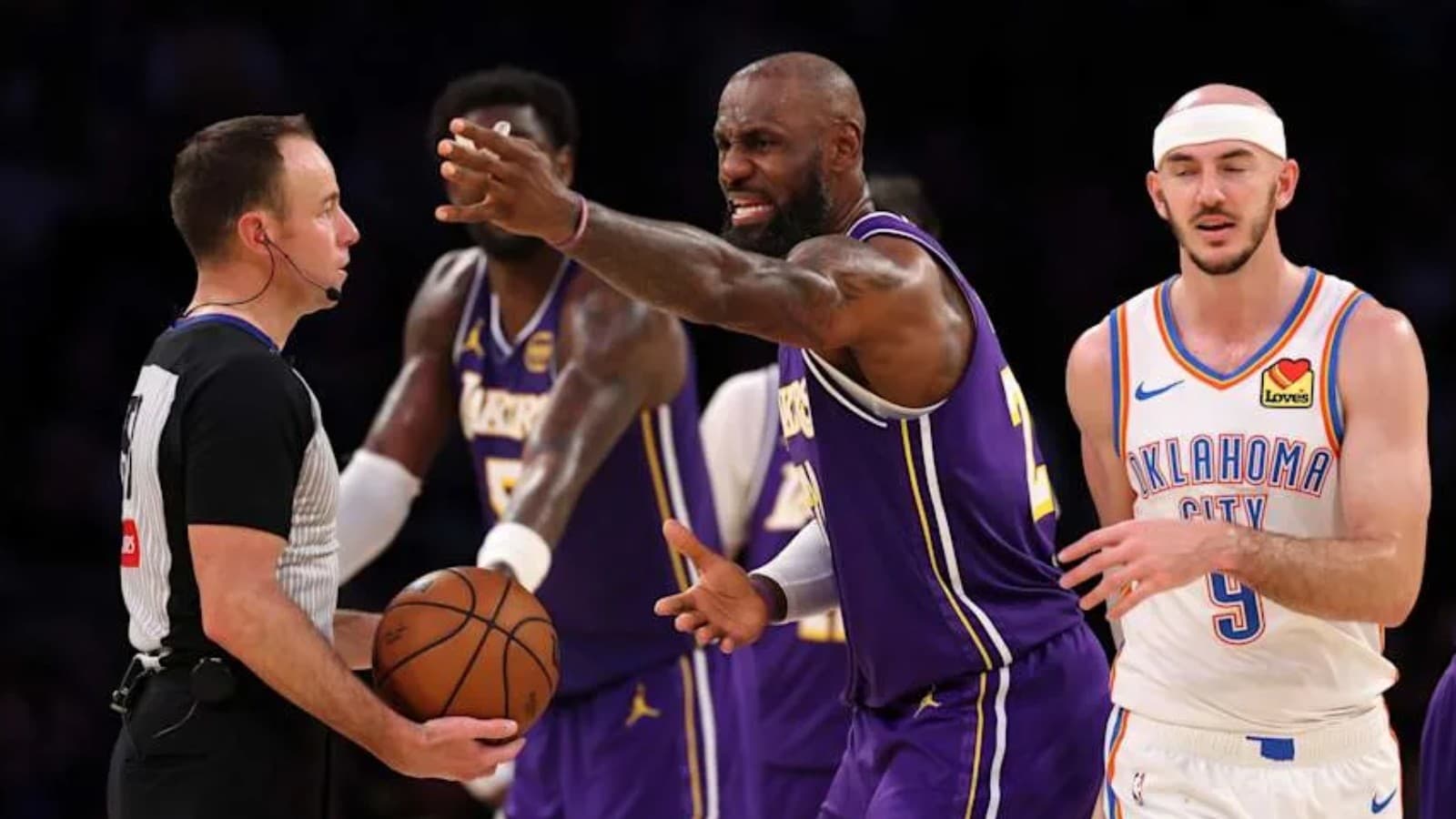
In-depth analysis of the Oklahoma City Thunder vs Los Angeles Lakers game on May 6, 2026. Full NBA playoff breakdown, key performances, and tactical insights.
Oklahoma City Thunder vs Los Angeles Lakers: Game 1 Analysis and NBA Playoff Breakdown
Introduction
The opening game of the Western Conference semifinal series in the NBA Playoffs between the Oklahoma City Thunder and the Los Angeles Lakers delivered a decisive outcome that set the tone for the series. Oklahoma City secured a commanding 108–90 victory, demonstrating a level of cohesion and intensity that the Lakers struggled to match.
This article provides a comprehensive breakdown of the game, examining tactical execution, player performances, and the implications for the remainder of the series.
Game Overview
First Half Performance
Game 1 was characterized by Oklahoma City’s control from the opening minutes. The Thunder established an early lead through disciplined defense and efficient shot selection. Their ability to convert turnovers into points allowed them to build momentum quickly.
Second Half Control
In the second half, Oklahoma City maintained composure and extended their lead. The Lakers attempted to adjust, but inconsistent shooting and defensive lapses prevented any significant comeback. The Thunder’s consistency ultimately secured the 18-point victory.
Oklahoma City Thunder: Tactical Execution
Defensive Intensity
The Oklahoma City Thunder executed a highly effective defensive strategy. They applied pressure on ball handlers, disrupted passing lanes, and forced multiple turnovers.
Their defensive rotations were precise, minimizing open shots and limiting the Lakers’ scoring opportunities. This discipline was a key factor in controlling the pace of the game.
Transition Offense
A defining feature of Oklahoma City’s performance was their transition offense. Following defensive stops, they advanced the ball quickly, capitalizing on fast-break opportunities before the Lakers could organize defensively.
This approach resulted in high-percentage scoring chances and contributed significantly to their overall lead.
Ball Movement and Spacing
Offensively, the Thunder emphasized ball movement and floor spacing. Players maintained proper positioning, allowing for effective ball circulation and open shooting opportunities.
This collective approach ensured consistent offensive production throughout the game.
Los Angeles Lakers: Key Challenges
Offensive Struggles
The Los Angeles Lakers encountered difficulties in establishing offensive rhythm. Their reliance on isolation plays limited ball movement and reduced scoring efficiency.
Although LeBron James contributed across multiple statistical categories, the lack of consistent support from teammates hindered the team’s performance.
Defensive Limitations
Defensively, the Lakers struggled to contain Oklahoma City’s pace. Slow transitions and lapses in communication allowed the Thunder to exploit open spaces.
Perimeter defense was also a concern, as Oklahoma City found opportunities to score from beyond the arc.
Turnovers and Efficiency
Turnovers played a significant role in the outcome. The Lakers’ mistakes were quickly converted into points by Oklahoma City, amplifying the scoring gap.
Additionally, poor shooting efficiency, particularly from long range, limited their ability to recover.
Key Player Analysis
LeBron James’ Performance
LeBron James demonstrated leadership and versatility, contributing in scoring, rebounding, and playmaking. His experience was evident, particularly in attempts to stabilize the team during challenging moments.
However, without sufficient support from the rest of the roster, his impact was not enough to alter the outcome.
Oklahoma City’s Emerging Strength
Depth and Team Cohesion
The Oklahoma City Thunder continue to establish themselves as a cohesive and well-balanced team. Their depth allows for sustained intensity, while their coordinated play enhances both offensive and defensive efficiency.
Strategic Discipline
Oklahoma City’s ability to adhere to their game plan reflects strong coaching and player discipline. Their execution in Game 1 highlights their readiness to compete at a high level in the playoffs.
Strategic Implications for the Series
Adjustments Required for the Lakers
To remain competitive, the Lakers must address several key areas:
- Improve ball movement to create better scoring opportunities
- Strengthen transition defense to limit fast-break points
- Reduce turnovers and increase shooting efficiency
These adjustments will be critical in future games.
Maintaining Momentum for the Thunder
For Oklahoma City, consistency will be essential. Maintaining defensive pressure and offensive efficiency will allow them to sustain their advantage in the series.
Broader NBA Playoff Context
Emerging League Trends
The developments in this matchup reflect broader trends within the NBA Playoffs. Younger teams are increasingly challenging established franchises, emphasizing speed, versatility, and depth.
Competitive Balance
This shift suggests a more balanced league, where traditional powerhouses must adapt to evolving styles of play.
Conclusion
The Game 1 matchup between the Oklahoma City Thunder and the Los Angeles Lakers provided a clear demonstration of the importance of cohesion, discipline, and execution in playoff basketball. Oklahoma City’s 108–90 victory was the result of a comprehensive performance on both ends of the court.
For the Lakers, the result underscores the need for immediate adjustments. Their ability to respond will determine the competitiveness of the series moving forward.
As the Western Conference semifinals continue, this matchup will remain a focal point in the evolving narrative of the 2026 NBA Playoffs.
More in this Category
U.S. Housing Market 2026 Shows Uneven Recovery as Mortgage Rates, Inventory Shortages, and Rental Demand Reshape Affordability

Emerging AI Technologies in the United States 2026: Trends, Innovations, and Future Opportunities

Global Climate Crisis Deepens in 2026 as Extreme Weather Disrupts Economies, Food Supply, and Energy Systems

Global AI Regulation Intensifies in 2026 as Governments Race to Control Powerful Artificial Intelligence Systems