
Iran War Escalates: How Trump’s Middle East Gamble Is Reshaping U.S. Politics, Oil Prices, and Global Stability
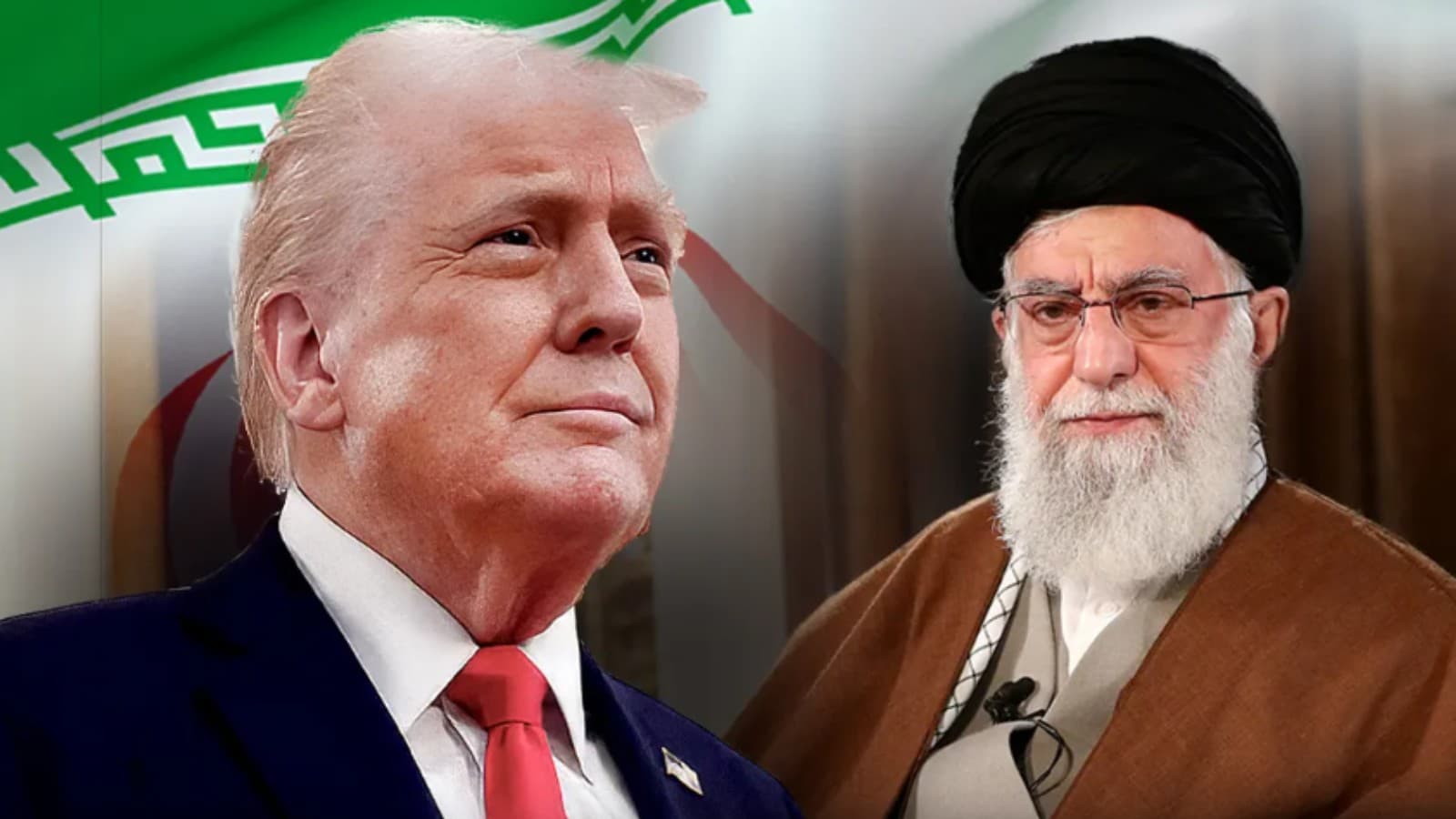
One week into the Iran war, President Donald Trump faces mounting political, economic, and military risks. Explore how the conflict is impacting oil markets, U.S. foreign policy, global security, and America’s future in the Middle East.
Iran War Escalates: How Trump’s Middle East Gamble Is Reshaping U.S. Politics, Oil Prices, and Global Stability
One week after the United States and Israel launched large-scale military operations against Iran, the conflict has rapidly evolved into one of the most dangerous geopolitical crises in recent years. What initially appeared to be a swift military campaign has expanded into a broader regional confrontation with potentially massive consequences for global energy markets, international diplomacy, and President Donald Trump’s political future.
The war has already triggered economic shocks, intensified tensions across the Middle East, and raised fears of a prolonged American military involvement. Analysts and political observers are increasingly questioning whether the Trump administration has a clear strategy for ending the conflict — or whether the United States is entering another unpredictable regional war.
The Conflict Expanded Faster Than Expected
According to multiple reports, the U.S.-Israeli military campaign inflicted severe damage on Iran’s military infrastructure during its opening phase. Iranian naval assets, missile facilities, and strategic command centers were heavily targeted in coordinated strikes. The death of Iran’s Supreme Leader Ayatollah Ali Khamenei dramatically escalated tensions and transformed the operation into a broader geopolitical confrontation.
Despite the initial military successes, the conflict quickly spread beyond Iran’s borders. Armed groups aligned with Tehran across Lebanon, Iraq, Syria, and Yemen began responding with attacks against U.S. and allied interests. Shipping routes in the Persian Gulf became increasingly vulnerable, while threats to close the Strait of Hormuz created panic in global energy markets.
The speed of escalation surprised many international observers and reportedly even some officials within the U.S. administration. Experts warned that military victories do not automatically translate into political stability, particularly in a region with deep-rooted alliances, proxy networks, and historical tensions.
Trump Faces Growing Political Risks
President Donald Trump entered the conflict under intense political pressure. Throughout his political career, Trump consistently criticized prolonged U.S. military interventions in the Middle East, presenting himself as a leader who would avoid “forever wars.” The Iran conflict now threatens to challenge that image.
Critics argue that the administration has offered shifting explanations regarding the goals of the war. At different moments, officials have described the operation as an effort to eliminate Iran’s missile capabilities, stop nuclear development, weaken proxy militias, and even encourage regime change.
Political analysts warn that unclear objectives could become a major liability if the war drags on for months or years. Several Republican strategists are reportedly concerned about how the conflict may affect upcoming U.S. elections, particularly if American casualties rise or economic conditions worsen.
Even within conservative circles, divisions have begun to emerge. Some commentators who previously supported Trump’s foreign policy have expressed concern that the administration may be repeating mistakes associated with earlier U.S. interventions in Iraq and Afghanistan.
Oil Prices and Economic Anxiety Intensify
One of the most immediate consequences of the Iran war has been a dramatic disruption in global oil markets. The Strait of Hormuz — one of the world’s most important energy shipping routes — became a central flashpoint in the conflict. Fears of supply interruptions caused oil prices to surge within days.
Gasoline prices across the United States rose sharply, creating fresh concerns about inflation and economic instability. Energy analysts warned that prolonged disruptions could damage consumer confidence, increase transportation costs, and slow economic growth.
Reports indicate that U.S. fuel reserves have been declining rapidly as American refineries attempt to stabilize international supply chains. Some experts believe the administration underestimated the economic consequences of military escalation in the Gulf region.
The conflict also created uncertainty on Wall Street, where investors reacted nervously to rising geopolitical risks. Market volatility increased as traders weighed the possibility of broader regional instability involving Saudi Arabia, the United Arab Emirates, and other major oil-producing nations.
America’s Allies Are Watching Carefully
International reactions to the war have been mixed. Some U.S. allies expressed support for efforts to contain Iran’s military influence, while others privately questioned whether the conflict could spiral out of control. Reports suggest several governments were caught off guard by the scale and timing of the military campaign.
Meanwhile, China and Russia closely monitored developments as the conflict reshaped global power dynamics. Beijing, in particular, became increasingly involved in diplomatic efforts because of its economic dependence on Middle Eastern energy supplies.
The war has also complicated relations between Washington and its traditional regional partners. Negotiations involving Saudi Arabia, Gulf states, and international mediators have intensified behind closed doors as leaders attempt to prevent a broader regional collapse.
Could the Conflict Become a Long-Term War?
Perhaps the biggest concern surrounding the Iran conflict is the possibility of a prolonged military engagement. Iran possesses extensive regional networks, missile capabilities, cyber warfare resources, and influence through proxy groups across the Middle East.
Military experts caution that even if Iran’s conventional military infrastructure suffers major damage, insurgent tactics and asymmetric warfare could continue for years. The history of U.S. involvement in the Middle East demonstrates how quickly limited operations can evolve into open-ended conflicts.
The financial costs are already mounting. Discussions online and in political circles increasingly focus on how billions of dollars are being allocated toward military operations while domestic issues such as healthcare, education, and infrastructure remain underfunded.
Public opinion could become a decisive factor in determining the future direction of the war. If economic pain intensifies or military casualties increase, pressure on the administration may grow significantly.
Diplomatic Efforts and Possible Ceasefire Talks
Despite the escalating violence, there are emerging signs that diplomatic channels remain active. Reports indicate that the United States and Iran have explored temporary frameworks aimed at reducing hostilities and reopening negotiations.
However, major disagreements continue over Iran’s missile program, regional alliances, and nuclear ambitions. Analysts remain skeptical that a lasting peace agreement can be achieved quickly, particularly given the scale of destruction and political hostility generated during the first week of fighting.
For now, the conflict remains highly unpredictable.
The Global Stakes Continue to Rise
The Iran war has already become more than a regional military operation. It now represents a major test of American foreign policy, global energy security, and the future balance of power in the Middle East.
For President Trump, the stakes are enormous. A swift resolution could strengthen his image as a decisive commander-in-chief. But a prolonged conflict marked by economic hardship and geopolitical instability could produce severe political consequences at home and abroad.
As the second week of the war begins, world leaders, financial markets, and millions of ordinary citizens are watching closely to see whether diplomacy can prevent an even larger international crisis.
More in this Category
U.S. Energy Prices Stabilize in 2026 as Oil Output Rises and Renewable Expansion Accelerates

U.S. Job Market Remains Strong in 2026 as Hiring Shifts Toward AI, Healthcare, and Skilled Trades
U.S. Housing Market Shows Early Signs of Stabilization as Mortgage Rates Ease and Buyer Demand Returns in 2026
Indiana Pacers’ Fast-Paced Offense Shocks Eastern Conference as 2026 NBA Playoffs Heat Up